Abstract
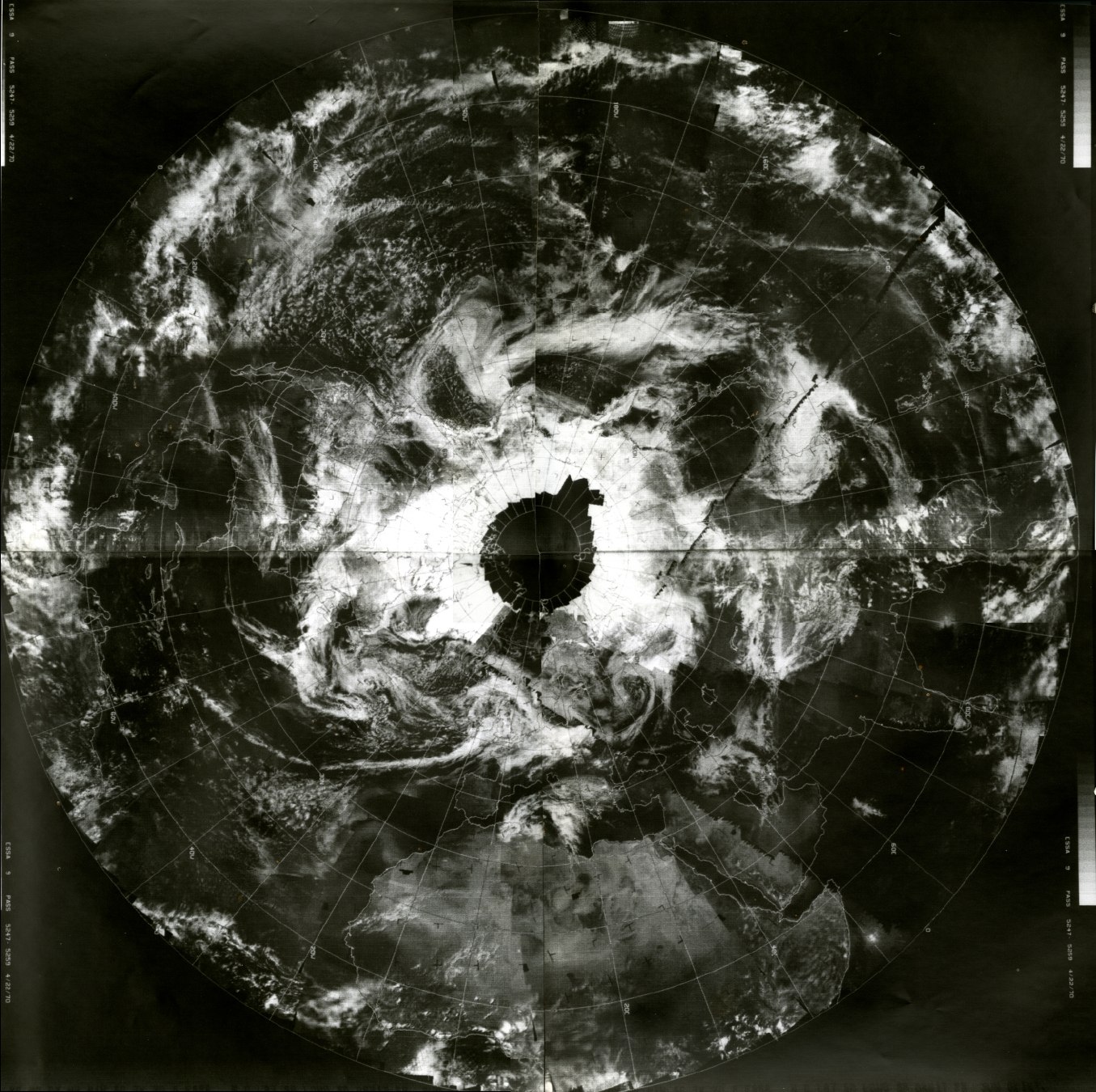
This paper examines the historical and technical record of early “satellite” programs, focusing on the transition from the openly documented inflatable platforms of Project ECHO (1960–1968) to the subsequent operational weather-observation systems (TIROS and ESSA series). Drawing on declassified CIA technical memoranda, IGY reports, Goldstein’s perturbation theory, and the full corpus of modern propulsion and attitude-control literature, the analysis argues that the engineering solutions employed across these programs exhibit continuity with high-altitude buoyant gas-envelope technology rather than a paradigm shift to rigid vacuum spacecraft. Particular attention is given to the “refill dilemma”—the absence of documented pressure-maintenance operations in long-duration platforms such as Himawari-8/9—and its proposed resolution through cold-gas blow-down, micro-thrust, and drag-free control architectures. The paper further argues that the official narrative of an undocumented aeronautical leap performed by RCA obscures the maturation of a single underlying technology: pressurized, steerable platforms operating persistently above the planar surface.
Full-text reading
Read the complete paper in Scott Stubbs’s original PDF, including its full argument, figures, calculations, citations, and bibliography.
References
The paper’s bibliography appears in the complete PDF. Its original publication page is maintained in Scott’s Academia.edu archive.